
The UFCW's Broken Strike Sanctions
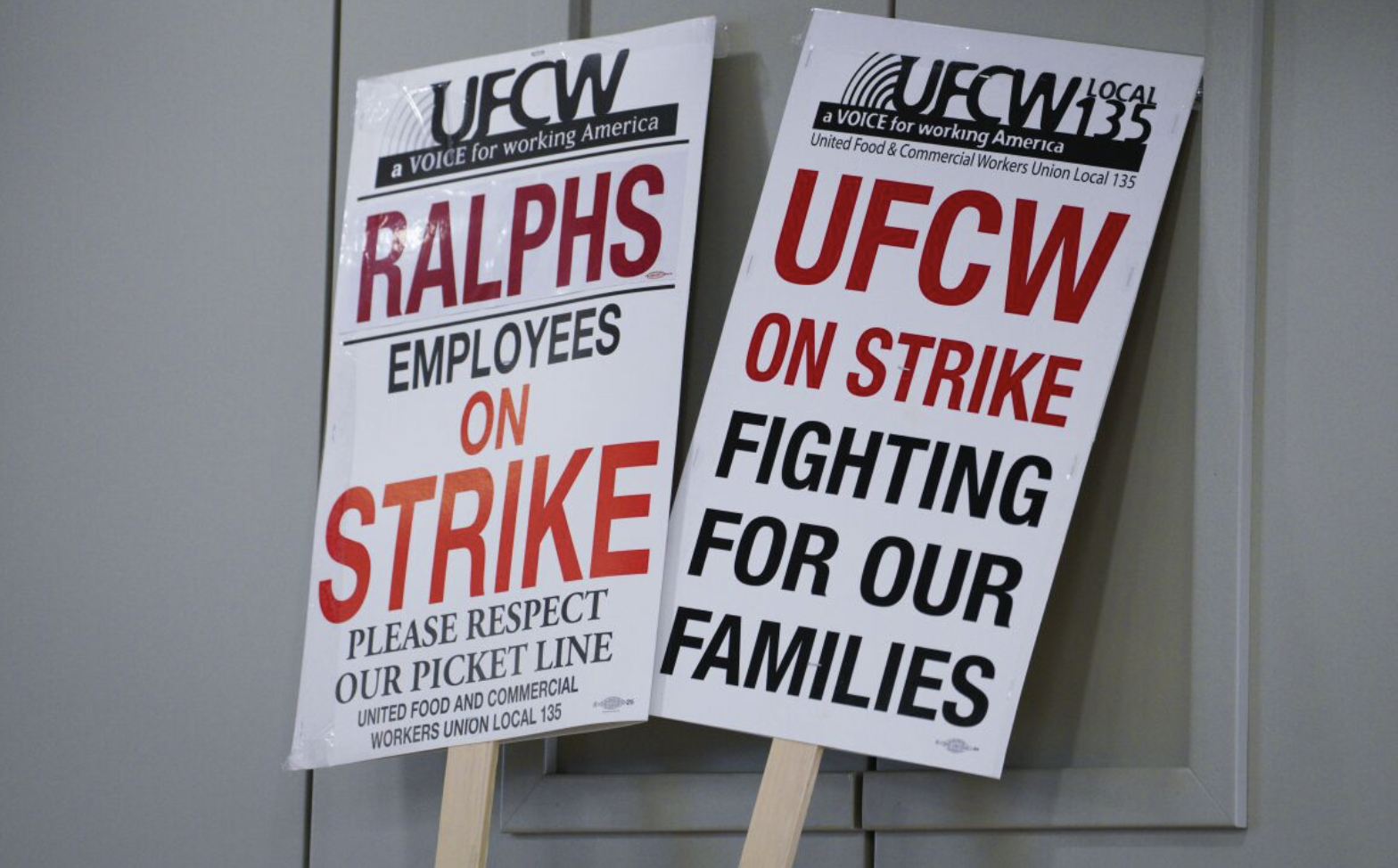
Workers know that a strike is a powerful tool. So, with a strong labor market, massive workplace issues presented by the pandemic, and workers around the country who are fired up, why are strikes in the UFCW so rare?
By its own admission, the UFCW International doesn’t want its members to strike. Not surprising, since we know that advice from International’s highly paid DC consultant is that the union shouldn’t even use the word “strike” -- let alone engage in one.
The International enforces this obstacle to striking through a process called Strike Sanctions.
What are strike sanctions?
Strike sanctions arise from this sentence in the UFCW International Constitution:
“No Local Union shall engage in a strike or other economic measures without first receiving the authorization of the International Executive Committee and otherwise complying with the applicable provisions of this Article.”
Any local that engages in a strike without the authorization of the International President and fellow 4 elected officers is in violation of the Constitution and can be punished by the International, including “trusteeship”, which means getting taken over by the International.
So what does a local have to do to get this authorization?
Receive a ⅔ majority vote of the membership authorizing a strike
Send a request for strike approval to the International President
Have an assigned International staff person join the bargaining table, often to take over negotiations from members at the table
Re-Vote any change to the offer that the employer makes even if they only increase wages or other benefits by a small amount.
Fill out any information, including a lengthy application to the International President, including any other information he may ask for
Hope for strike approval from the 5 person Executive Committee in DC
Why are strike sanctions a problem?
Timing: This process can be a lengthy one and by design sets up a roadblock to a rapid strike. These rules apply to all strike actions undertaken by a local. Workers need the ability to take quick action when needed and strike sanctions make that impossible.
Bargaining Strategy: Because of the “revote” requirement in the constitution a savvy employer could trigger a revote with a proposed change of a penny (even a fraction of a penny could be considered significant in a large contract). What’s to stop an employer from incrementally changing the offer every time a vote is taken, until the workers lose momentum?
Relationship to Employer: Even the constitution itself admits that the point of this language is, in part, to avoid conflict with the employer in that it is a “recognition that amicable means of adjustment have been exhausted.” We would argue the UFCW’s relationship with the employer has been far too amicable over the years.
Democracy: The biggest problem of all, however, is that strike sanctions take the power to strike out of the workers' hands. The requirement for a ⅔ majority itself allows the small group to override the majority. But worse, a group of members could have a 100% strike vote and still have their right to strike denied by a stroke of a pen from President Perrone
Power: And that’s really what it is all about— By retaining control over a strike The International retains the ability to excerpt control over the locals and the members. At best they can make locals jump through hoops to get approval. At worst, this becomes a political game where locals can be rewarded or punished.
How do we fix it?
1) Delete the strike approval language from the constitution. Many unions do not have this language and it makes them more strategic, flexible, and aggressive.
2) Retain the current language but link it to strike pay. So, a group of members could still strike, without the blessing of Perrone, but they would just not be eligible for International Strike Pay. {They could still get strike pay from their local union}
3) Simplify the process by taking away any discretion from the President or their hand-picked board and make it more democratic and less political,