
Denver Processing Workers Were Denied Strike Sanctions. What Does That Mean?
The UFCW International has denied strike sanctions to 300 members of UFCW Local 7, after they voted by 97% to authorize a strike at Denver Processing, a meatpacking plant in Denver, Colo. What are strike sanctions, and how do they work?
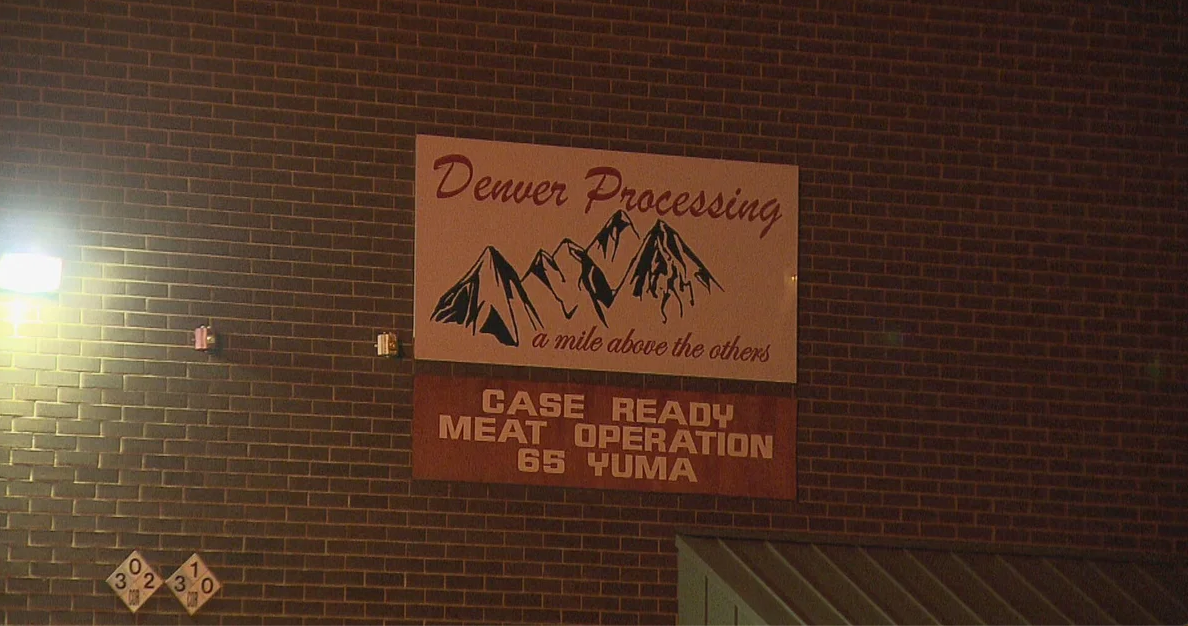
On Friday, May 8, UFCW Local 7 announced in a post on Facebook that the local was denied strike sanctions by the UFCW International, despite members authorizing the strike by 97%. Denver Processing workers have been in contract negotiations with JBS, Denver Processing’s parent company, since September 2025. Denver Processing is a beef and pork production plant employing around 300 workers, supplying meat products to Kroger-owned King Soopers and City Market.
The unfair labor practice strike would come on the heels of a three-week strike at JBS in Greeley, Colo., where 3,800 workers walked off the job.
Now, the UFCW International has denied Denver Processing workers strike sanctions, potentially blocking them from taking strike action.
What are strike sanctions?
Strike sanctions come from Article 23, Section E in the UFCW International Constitution:
“No Local Union shall engage in a strike or other economic measures without first receiving the authorization of the International Executive Committee and otherwise complying with the applicable provisions of this Article.”
Any local that engages in a strike without the authorization of the International Executive Committee is in violation of the Constitution and can be punished by the International, including trusteeship.
So what does a local have to do to get this authorization?
Receive a ⅔ majority vote of the membership authorizing a strike.
Send a request for strike approval to the International President.
Have an assigned International staff person join the bargaining table.
Re-vote any change to the offer that the employer makes.
Fill out any information, including a lengthy application to the International President, including any other information they may ask for.
Hope for strike approval from the 5 person Executive Committee in Washington D.C.
The bottom line: Strike sanctions can be denied at any time, for any (or no) reason.
Why are strike sanctions a problem?
Timing: Getting strike sanctions can take a long time. Strike sanctions set up a roadblock to a rapid strike that can take the employer by surprise and harm the bosses’ bottom line — which we know is what will really make the employer tick. Workers need the ability to take action when it’s most strategic.
Cozying Up to the Bosses: Even the International Constitution admits that the point of this language is, in part, to avoid conflict with the employer, as a “recognition that amicable means of adjustment have been exhausted.” When unions get too cozy with the bosses, it degrades our contracts and hurts our ability to exert the true power of workers to take on the boss when necessary.
Union Democracy: Strike sanctions take the power to strike out of the workers' hands and put it into the hands of the International. A group of members could have a 100% strike vote and still have their right to strike denied by a stroke of a pen.
The bottom line: If members are ready to strike, the International Union should stand with them, not stand in their way. Strike sanctions take power out of the hands of the workers and places it into the hands of a select few at the International.
Who is the International Executive Committee, and who holds them accountable?
The International Executive Committee is made up of five members of the 55-member International Executive Board. The Executive Board, including the Executive Committee, is elected at the UFCW International Convention, which takes place every 5 years.
However, most UFCW members have never had the opportunity to vote at these Conventions, due to the broken delegate system that dilutes the voting power of workers and concentrates power in the hands of local union electeds. Unlike other unions such as the Teamsters and the United Auto Workers, the UFCW does not give members the right to directly vote for top International officers.
Despite paying high “per capita” (the amount of money from membership dues that gets sent to the International union) of roughly $16 per member per month, members still don’t have the ability to vote for those at the highest level of the union who are making real decisions about members’ livelihoods. That’s over $16 million a month to the International union, where most members have never cast a vote in their lifetimes.
What happens now?
Reformers fought for the removal of strike sanctions language from the International Constitution at the last UFCW International Convention in 2023. They also fought for one member, one vote — the right for all UFCW members to have an equal say in our top leadership. The next opportunity to address language in the Constitution around strike sanctions and the right to vote will be at the UFCW International Convention in 2028.
To get involved in the national movement for direct elections of top officers and a stronger, more democratic UFCW, join EW4D or contact us for more information.
Meanwhile, Local 7 has publicly called on the UFCW International to grant strike sanctions to Denver Processing workers. In a post on Facebook, Local 7 urged members to call the International at (202) 223-3111 and ask for the President's Office, and to email International President Milton Jones at mjones@ufcw.org to request that the International grant sanctions to Denver Processing workers.